What a Single Test Can and Can't Tell You
Every result on Canopy right now is a single test. It's a real number from a real sample, and it's worth taking seriously. But it answers a narrower question than people often assume, and it's worth understanding.
What most people actually want isn't a single number. It's confidence that a product stays low in contaminants over time, test after test, not just on the one day someone happened to check. Every result on Canopy right now is a single test. It's a real number from a real sample, and it's worth taking seriously. But it answers a narrower question than people often assume, and it's worth understanding the difference.
What a single test tells you
A single test tells you that this specific unit, purchased at this store, on this date, contained this level of this contaminant. That's real data. It's not a guess, an estimate, or an average pulled from somewhere else. It's a measurement of the actual product sitting on that actual shelf. Every result is tied to a lot or batch number, the code stamped on the package that identifies the specific production run it came from. Manufacturers use it to trace a product back to a particular day, facility, and set of raw ingredients, which is exactly why it matters here: a different lot of the same product, made from a different harvest or shipment, can carry a different contaminant level even under the identical brand and packaging.
What it can't tell you
A single test can't tell you whether every unit of that product looks the same. Contaminant levels can shift lot to lot, and for agricultural products, season to season and region to region, even under the same brand name. It can't tell you whether the level is rising, falling, or holding steady. One test is a snapshot. Trends only show up across repeated tests over time. It also can't tell you the specific level in a different brand's product. But it can point to what's plausible for the category. Whether a contaminant shows up at all usually traces back to the ingredient itself, where it was grown or sourced, and what pathway it took to get there, and that pathway is often shared across brands making a similar product. Our seaweed snack testing is a clear example: all four brands we tested had detectable heavy metals, just at different degrees. So a result for one brand is a useful signal about what to watch for in that category. It's not proof of what any other brand's actual level is.
Why we're still funding single tests
A real number beats no number. Most of the products on Canopy have never been independently tested before, so even one result is new information nobody had access to yesterday. But single tests are the starting point, not the destination. What people actually care about, a product that's consistently low over time, only becomes visible through repeat testing on the same product. That's the direction Canopy is headed: not just first results, but a track record.
The takeaway
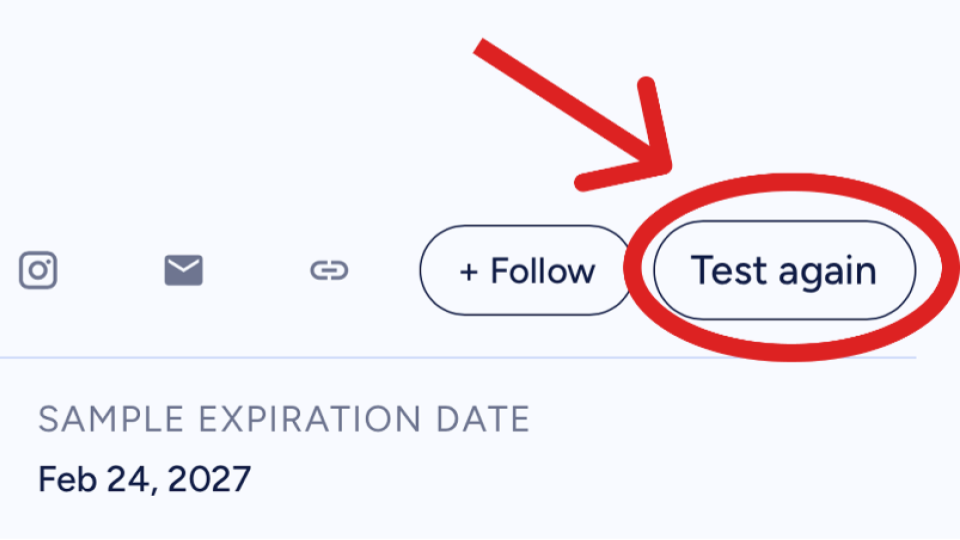
Treat each result as one piece of a bigger picture. As the community funds more tests, on more products and the same products again over time, that picture gets sharper. For any product we’ve already tested, you can easily request another test using the ‘Test Again’ button on the product results page.
-forcanopy.com
Ready to pool in? Open tests are waiting for backers right now.
Browse open tests →